.png)
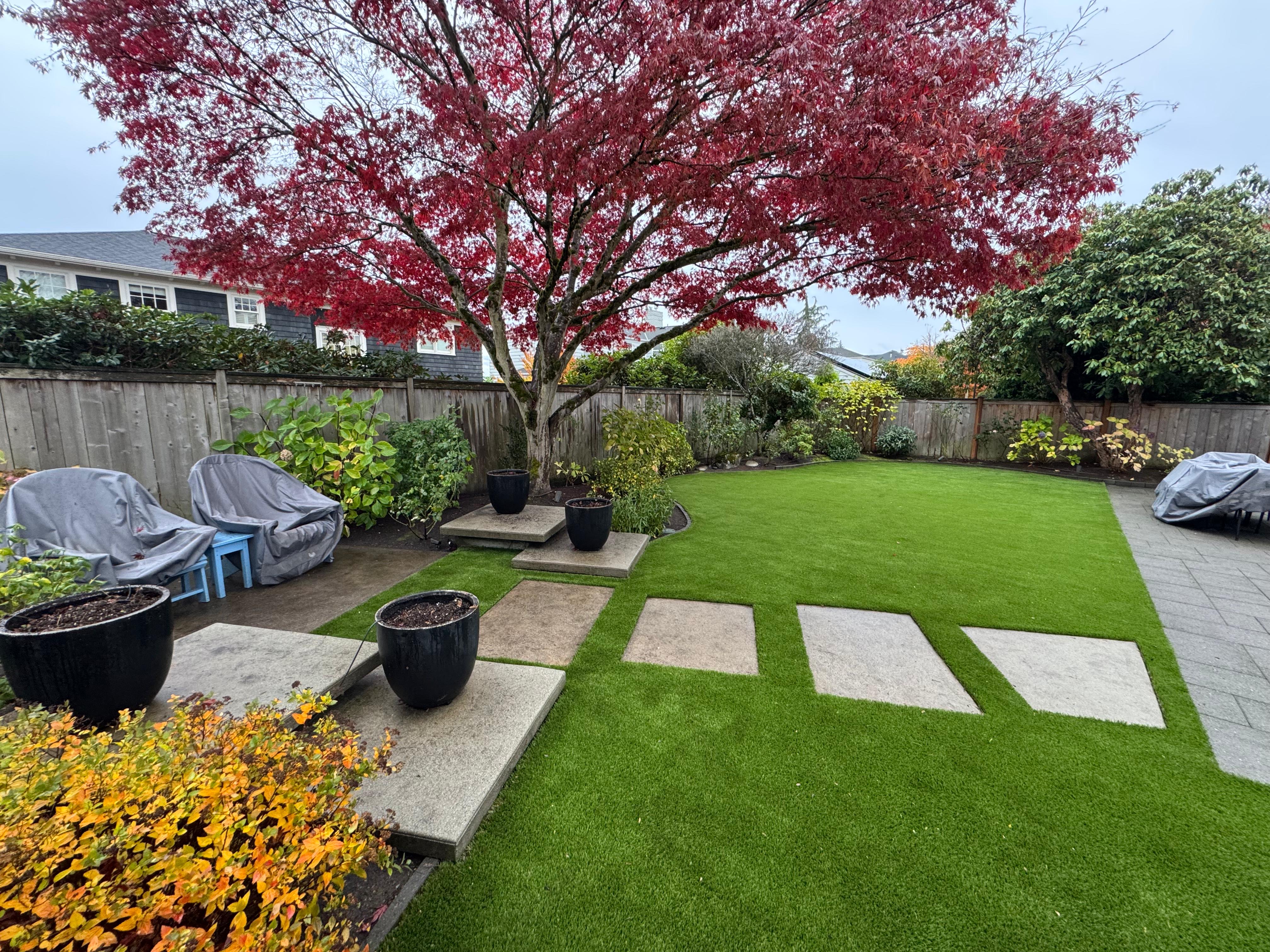
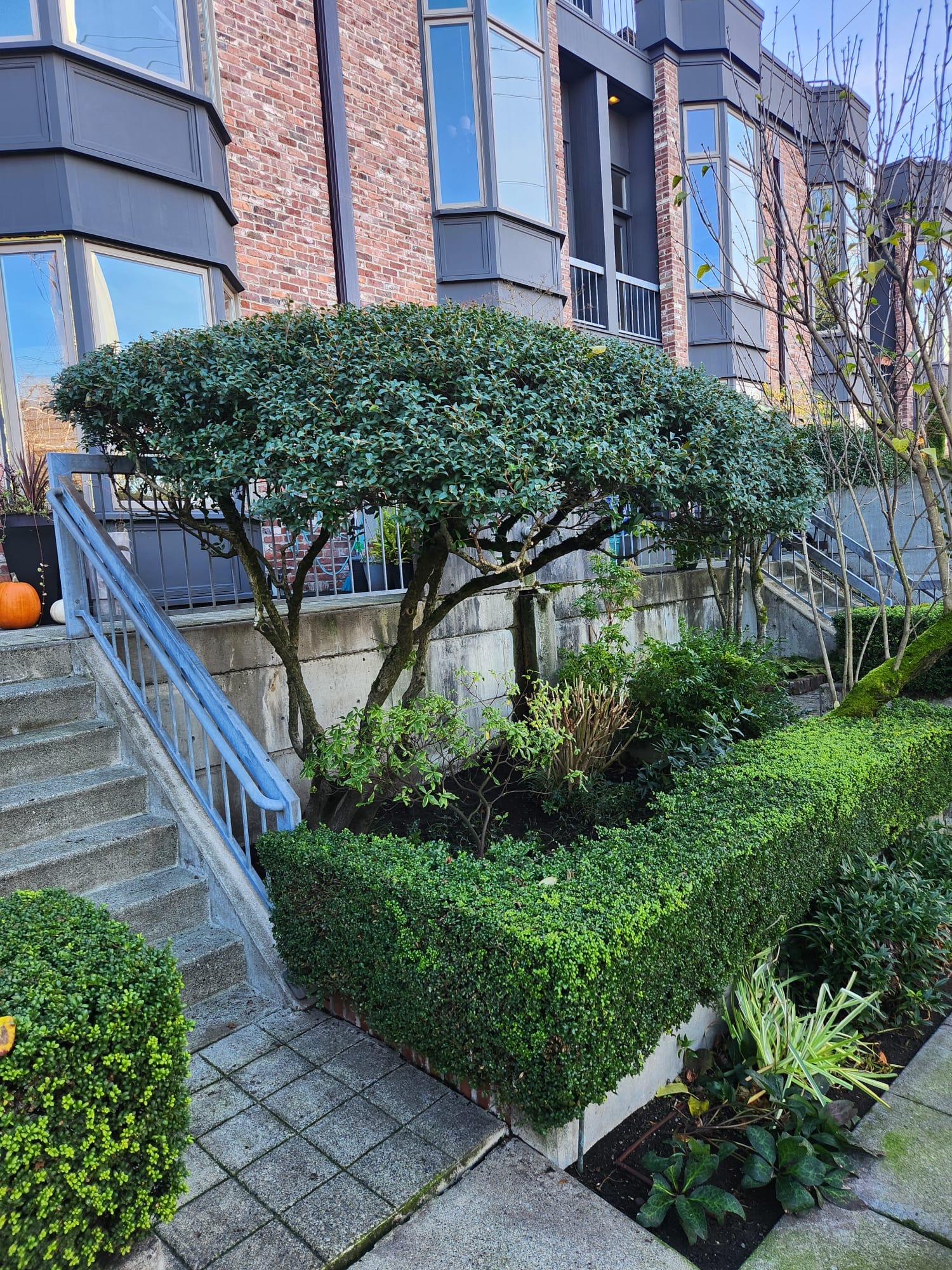
Professional tree pruning in Seattle requires understanding when each species actually flowers—not just picking a random date to start cutting. Our landscape maintenance crews follow the Pacific Northwest timing that works with your trees' natural cycles: late winter pruning in February for most deciduous trees and shrubs when they're dormant, and late spring or summer pruning after blooming for spring-flowering specimens like azaleas, rhododendrons, and flowering cherries. This timing matters because pruning at the wrong time removes next season's flower buds, leaving you with green branches instead of blooms. We remove dead or diseased branches year-round as needed, then handle the structural work—removing crossing branches, opening up the canopy, directing shape—when it causes the least stress to the tree. Our crews know which trees can handle aggressive pruning and which ones need a lighter touch to maintain their natural form.
Regular pruning is essential landscape maintenance for King County properties where Douglas fir, Japanese maples, and ornamental trees face wind, rain, and our region's specific growing conditions. We remove roughly one-third of branches maximum during any pruning session, focusing on the oldest growth first to encourage new, vigorous development. Clean cuts heal faster and resist disease better than torn or ragged wounds, which is why our landscaping services include proper three-cut technique for larger limbs over 2 inches in diameter. Trees left unpruned develop weak branch structures, interior die-back from lack of light and air circulation, and eventual safety hazards from deadwood. Properly timed professional pruning extends your trees' lifespan, maintains their value to your property, and keeps them looking the way they should in Seattle's residential landscaping.



.png)