.png)
.jpg)
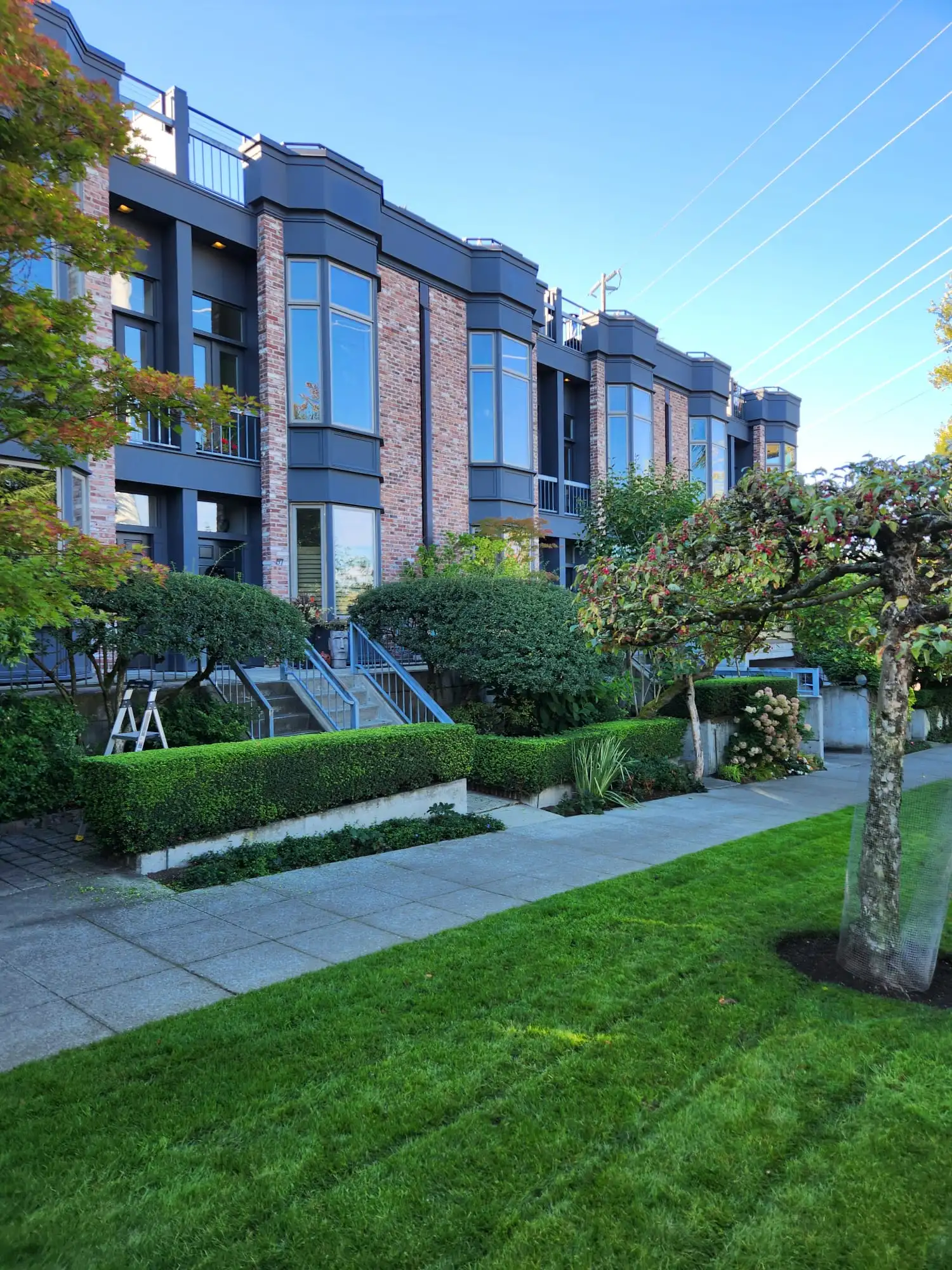
Aeration Benefits:
Seattle's heavy rainfall and clay-rich soils create significant compaction problems that prevent water, air, and nutrients from reaching grass roots. Our wet climate means lawns get walked on when soil is saturated, further compressing the ground. Aeration opens up these compacted soils by removing small plugs of earth, allowing your lawn to breathe and absorb water more effectively rather than creating runoff and puddling. This is critical in Seattle where poor drainage combined with our long rainy season can lead to root rot, moss growth, and weak turf. Fall aeration (September-October) is ideal here since it prepares cool-season grasses for winter and takes advantage of our autumn moisture without the summer stress.
Dethatching Benefits:
Seattle's cool, wet climate is perfect for growing grass, but it also accelerates thatch buildup - that spongy layer of dead grass, roots, and debris between the soil and green grass. Our mild temperatures mean organic matter doesn't break down as quickly as in hotter climates, and when thatch exceeds half an inch, it blocks water and fertilizer from reaching roots while creating a perfect environment for moss, disease, and pests. Dethatching removes this barrier and is especially important before overseeding, as it ensures new seed makes direct soil contact. Spring dethatching (April-May) works well in Seattle since it removes winter damage and moss accumulation, giving your lawn a fresh start for the growing season.
Together, these services address Seattle's specific challenges and keep your lawn healthy despite our unique climate conditions.



.png)